How to Choose the Right Mud Pump Liners for Your Needs?

Time:2026-05-28 Author:Henry
0%

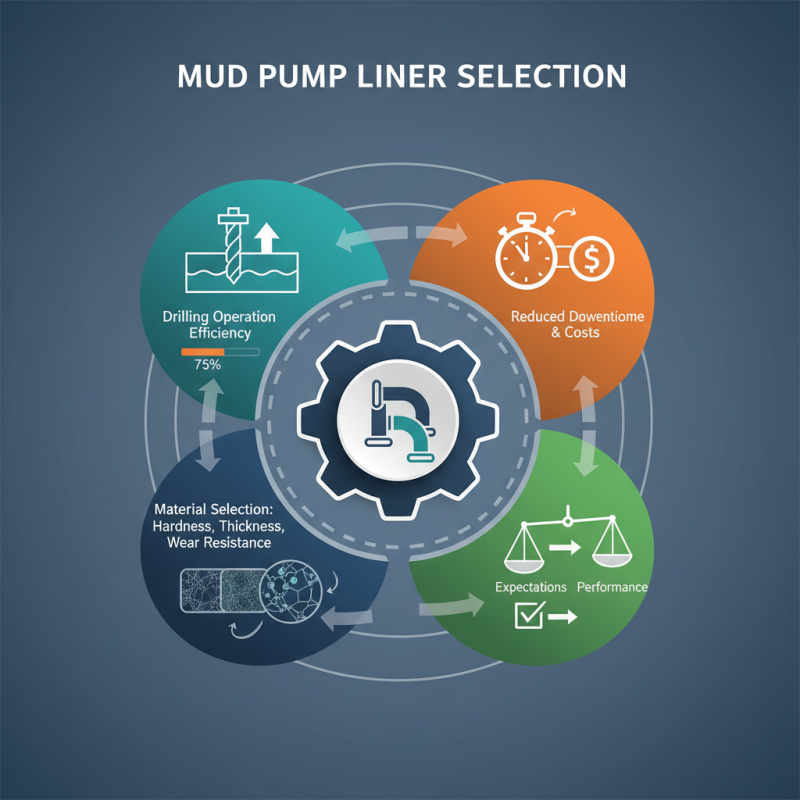
Choosing the right Mud Pump Liners is crucial for any drilling operation. The performance and lifespan of these liners significantly impact efficiency and costs. According to a recent report by the International Association of Drilling Contractors (IADC), selecting the appropriate liner can improve pump performance by up to 25%. This statistic underscores the importance of careful consideration in decision-making.

Industry expert Dr. Paul Jensen, a renowned figure in drilling technology, states, "The right Mud Pump Liners not only enhance durability but also ensure optimal fluid transfer.” His insight highlights the intricate balance between material selection and operational demands. The choices can be overwhelming. Options vary in hardness, thickness, and resistance to wear. Each characteristic impacts performance in specific conditions.

Moreover, many companies underestimate the consequences of improper selection. They risk increased downtime and unexpected costs. Balancing expectations and actual performance is vital. Overlooking details in specifications can lead to poor results. Thus, understanding the nuances of Mud Pump Liners is essential in achieving long-term success in any drilling project.
How to Choose the Right Mud Pump Liners for Your Needs?

Understanding the Purpose of Mud Pump Liners in Drilling Operations

In drilling operations, mud pump liners play a crucial role in enhancing the efficiency and effectiveness of the mud circulation system. These components are designed to withstand harsh conditions, including high pressure and abrasive environments. Studies show that over 30% of mud pump failures are linked to liner wear and tear. This highlights their importance in maintaining operational integrity.

Choosing the right mud pump liner involves understanding the various materials and designs available. Rubber liners, for example, offer flexibility and resistance to corrosion, making them suitable for a wide range of drilling fluids. In contrast, ceramic liners provide superior durability but may not handle all fluid types effectively. The selection process should consider the specific drilling environment and the properties of the drilling mud. According to the International Association of Drilling Contractors, using the wrong liner can lead to increased costs and downtime.

Moreover, proper maintenance is essential for achieving optimal performance from mud pump liners. Regular inspections and timely replacements can prevent operational disruptions. Data suggests that a proactive maintenance strategy can reduce downtime by up to 25%. This underlines the significance of not just choosing the right liner, but also cultivating a routine that ensures their longevity and reliability in the field.

Key Factors to Consider When Selecting Mud Pump Liners

When selecting mud pump liners, several key factors come into play. The material choice is critical. Different applications may require liners made from various materials, including ceramics or hard metals. This decision greatly affects durability and performance. Consider the thickness of the liners as well. Thicker options typically offer more protection, extending the life of your pump.

Compatibility is another essential aspect. Ensure the liners fit your specific mud pump model. Mismatches can lead to inefficiencies and increased wear. Evaluate the pump’s operating conditions, such as temperature and pressure. High-stress environments demand more robust liner solutions.

Moreover, don’t neglect the importance of maintenance. Regular checks can reveal wear and damage before they lead to significant issues. Ask yourself if the selected liners are easy to replace and service. This impacts not just costs but also operational downtime. Balancing initial costs against long-term performance can be complex. Always review your choices as your operational needs evolve.

Different Types of Mud Pump Liners and Their Applications

Mud pump liners are crucial in drilling operations. They help manage the circulation of drilling fluids. Selecting the right type is essential for performance and durability.

There are several types of mud pump liners available. Each type has unique applications. For instance, ceramic liners excel in high-abrasion environments. They can withstand heavy wear, often reducing downtime. According to industry data, using ceramic liners can increase pump life by up to 40%. On the other hand, rubber liners are often preferred for their flexibility. They perform well in low-pressure applications but may not last as long under harsh conditions.

Steel liners are another option. They offer great strength and can handle high pressures. They are particularly useful in offshore drilling where reliability is key. However, they may not be suitable for all types of mud. In some cases, operators have reported issues with corrosion. It's important to assess the specific conditions of each drilling site. Understanding the requirements is vital to prevent costly mistakes. Selecting the right liner type is a blend of science and experience.

Evaluating Material Options for Durability and Performance

Choosing the right mud pump liners involves careful consideration of material options. Durability and performance are crucial for effective operation. Various materials offer distinct advantages and limitations. For example, rubber liners provide flexibility and resistance to wear, making them ideal for certain applications. However, they may not withstand extreme temperatures as well as metal options.

Metal liners, such as those made of high-chrome, exhibit superior strength and longevity. They perform well in abrasive conditions but can be heavier and more costly. Evaluating the specific needs of your operations helps in making informed choices. You might find that a blend of materials works best for varying conditions.

It's also vital to consider maintenance requirements. Some materials need regular inspection and replacement, while others offer longer service life. Reflecting on the operational environment is necessary. Will the liners endure high-pressure situations? Are there specific chemical exposures to account for? Proper evaluation of these factors leads to better performance and cost-efficiency in the long run.

Maintenance Tips for Extending the Life of Mud Pump Liners

Maintaining mud pump liners is crucial for optimal performance. These components face wear from abrasive materials in drilling fluids. According to industry reports, improper maintenance can reduce liner life by up to 40%. Regular inspection is key. Check for signs of corrosion, erosion, and cracking. Any visible damage can lead to more significant issues down the line.

Cleaning is another critical aspect of maintenance. Contaminants can accumulate, affecting the pump's efficiency. A study revealed that regular cleaning can enhance the lifespan of liners by 20%. Use high-pressure water and gentle scrubbing to remove debris. Additionally, proper lubrication is vital. This reduces friction and wear during operation. Monitor fluid levels constantly to avoid overheating or excessive wear.

Keeping accurate records helps identify patterns in liner performance. Documenting changes in wear can provide insights into the operational environment. Consider implementing a preventive maintenance schedule to replace liners before they fail. Innovations in material science have advanced the durability of mud pump liners, yet reflection on operational practices remains necessary. Investing time in maintenance pays off in the long run.

Choosing the Right Mud Pump Liners: Lifespan vs. Maintenance Frequency

FAQS

: What materials are commonly used for mud pump liners?

: Rubber and metal are common materials. Rubber is flexible and wear-resistant. Metal options, like high-chrome, offer strength.

How do rubber liners perform in extreme conditions?

Rubber liners may struggle with extreme temperatures. They are better suited for moderate conditions where flexibility is needed.

What are the advantages of metal liners?

Metal liners have superior strength and longevity. They perform well in abrasive environments but can be heavier.

How can maintenance extend the life of mud pump liners?

Regular inspection and cleaning are vital. Check for corrosion and debris. Proper lubrication reduces wear and friction.

Why is regular inspection important?

Regular inspection can prevent significant issues. Visible damage can reduce liner life by up to 40%.

What effect does cleaning have on liner lifespan?

Cleaning can enhance liner lifespan by 20%. Use high-pressure water and gentle scrubbing to remove contaminants.

How can I monitor liner performance effectively?

Keeping accurate records helps identify wear patterns. Documentation can provide insights into the operational environment.

Should I consider preventive maintenance schedules?

Yes, implementing a preventive maintenance schedule is wise. Replace liners before failure to avoid operational disruptions.

What factors influence liner selection?

Consider operational needs, pressure situations, and chemical exposures. Each factor plays a role in material choice.

How should I evaluate different materials?

Reflect on specific application needs. A blend of materials may provide the best performance in varying conditions.

Conclusion

Mud pump liners play a crucial role in drilling operations by providing essential protection and ensuring efficient pumping of drilling fluids. When selecting the right mud pump liners, it's important to consider key factors such as the specific drilling requirements, the type of mud used, and operational conditions. Various types of mud pump liners are available, each suited for different applications, thus understanding their specific uses is vital for optimal performance.

Additionally, the evaluation of material options for durability and performance is critical, as it directly impacts the lifespan and reliability of the liners. Implementing proper maintenance practices can further extend the life of mud pump liners, ensuring consistent operational efficiency in drilling processes. By taking these factors into account, operators can make informed decisions that enhance their drilling efficiency and reduce downtime.

Henry

Henry

Henry is a dedicated marketing professional with a profound expertise in the company's offerings. With years of experience in the industry, he possesses an impressive understanding of the market dynamics and consumer behaviors that drive success. Henry is committed to sharing his insights through......